Preventive Maintenance Evaluation
Find waste inside your preventive maintenance program and refocus labor on work that prevents equipment failure. Allied Reliability evaluates preventive maintenance task steps to identify what should be removed, reassigned, replaced with PdM, reengineered, or left as written.


Improve PM Effectiveness
A Preventive Maintenance Evaluation reviews individual preventive maintenance task steps using a Total Productive Maintenance framework. The goal is to determine whether each step adds value by addressing a failure mode, belongs in a different work process, can be replaced by predictive maintenance, or needs clearer execution standards.
This fast evaluation helps maintenance teams reduce low-value preventive maintenance work, improve preventive maintenance checklists, and create better inputs for work orders in a computerized maintenance management system CMMS.
Why Allied Reliability
With decades of experience helping industrial organizations improve asset performance, Allied Reliability combines reliability consulting, condition monitoring, engineering expertise, workforce development, and engineered solutions to solve complex maintenance and reliability challenges. Our practical, data-driven approach helps organizations improve uptime, reduce risk, and achieve lasting operational performance.
SERVICES
Related PM Optimization Services
PM Task Step Evaluation
Review preventive maintenance task steps and identify opportunities to improve clarity, ownership, execution, and overall effectiveness.
PdM Replacement Review
Identify preventive maintenance tasks that can be replaced or enhanced with predictive maintenance and condition-based monitoring technologies.
PMO Follow-On Planning
Use the evaluation as the foundation for a deeper preventive maintenance optimization initiative focused on task frequency, failure prevention, and maintenance strategy.
HOW IT WORKS
A Practical PM Evaluation Process
PME evaluates current preventive maintenance (PM) task lists at the step level. The evaluator asks practical questions about value, failure modes, ownership, PdM replacement, lubrication, operator care, and wording, then assigns a recommended action.
1
Review each task step
Determine whether the step adds value by addressing a specific equipment failure mode.
2
Consider replacement methods
Evaluate whether the task can be replaced with PdM or another less intrusive condition based method.
3
Assign the right work owner
Determine whether the step belongs in a lubrication route, operator care process, or maintenance work order.
5
Document recommendations
Classify each step as remove, reassign, replace with PdM, reengineer, or no modification required.
4
Check clarity and repeatability
Identify tasks that need to be reengineered so technicians can execute them consistently.
our approach
Finding Hidden Value
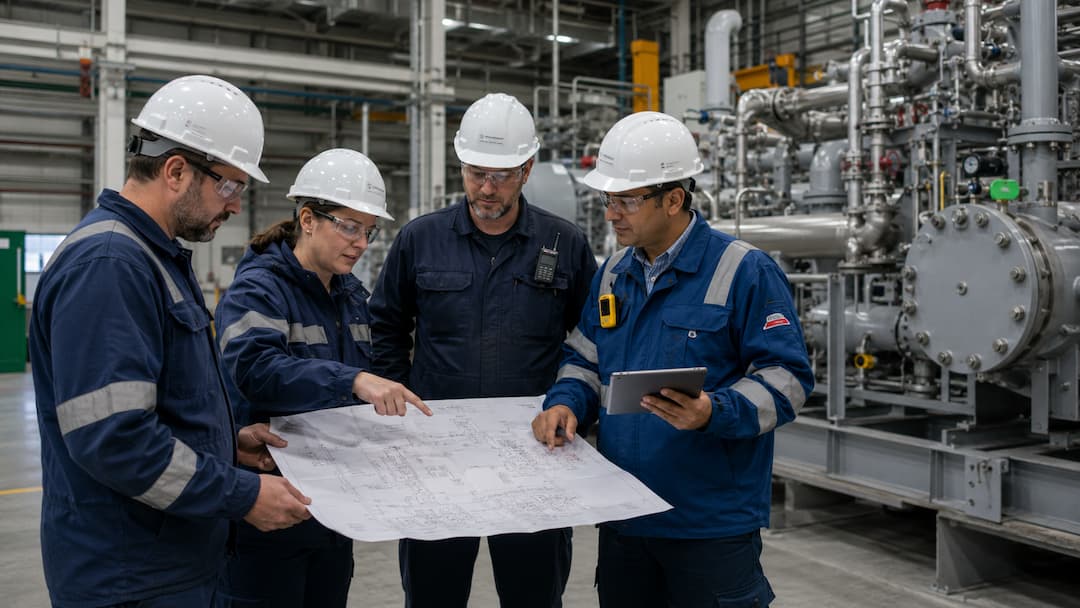
Allied Reliability uses the Preventive Maintenance Evaluation (PME) process to help maintenance teams identify hidden waste and improvement opportunities within existing preventive maintenance programs. Rather than relying on machine learning or real-time data, the evaluation begins by assessing whether each PM task is technically effective, clearly documented, appropriately assigned, and worth the time invested.

Failure mode focus
CMMS-ready outputs
Work ownership review
Path to PMO
PdM opportunity identification

Solutions
Common PM Program Challenges
A Preventive Maintenance Evaluation helps organizations improve the value of preventive maintenance work without waiting for a full program redesign.
Reduce Maintenance Costs
Use the findings to reduce unnecessary preventive maintenance work and focus resources on tasks that improve equipment reliability and maintenance costs.
Reduce Low-Value PM Work
Remove maintenance activities that do not prevent failures or provide measurable value, allowing teams to focus on work that improves reliability.
Improve Labor Utilization
Assign maintenance tasks to the right owner—including maintenance, lubrication, or operator care—to improve efficiency and workforce productivity.
Expand Predictive Maintenance
Identify preventive maintenance activities that can be replaced or enhanced with predictive maintenance and condition-based monitoring.
RESOURCES
Related Resources for Preventive Maintenance Evaluation Services


Industries
Supporting Reliability Across Critical Industries
We partner with asset-intensive industries where uptime, safety, and operational performance are essential. Helping teams help teams improve maintenance practices, strengthen reliability, and support more consistent production outcomes.
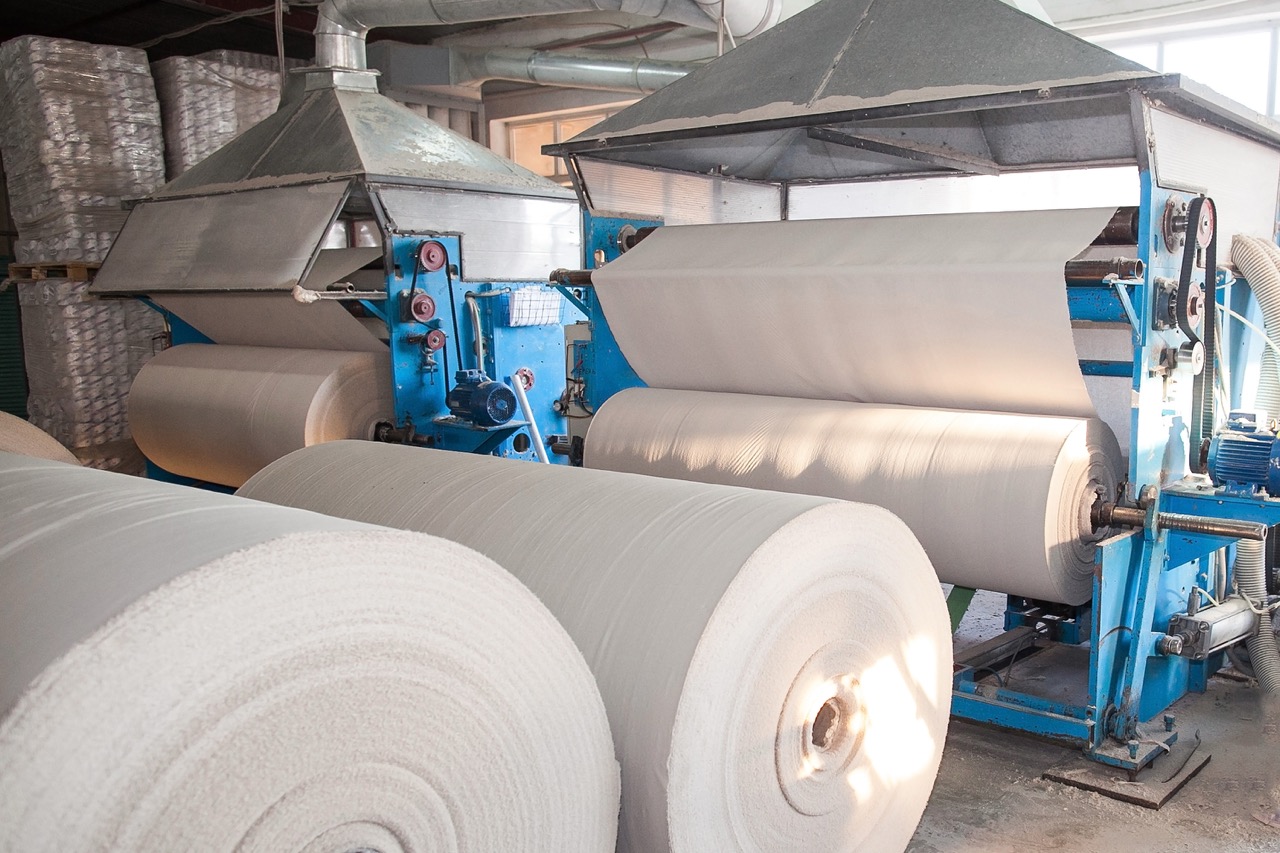
Paper & Forest Products
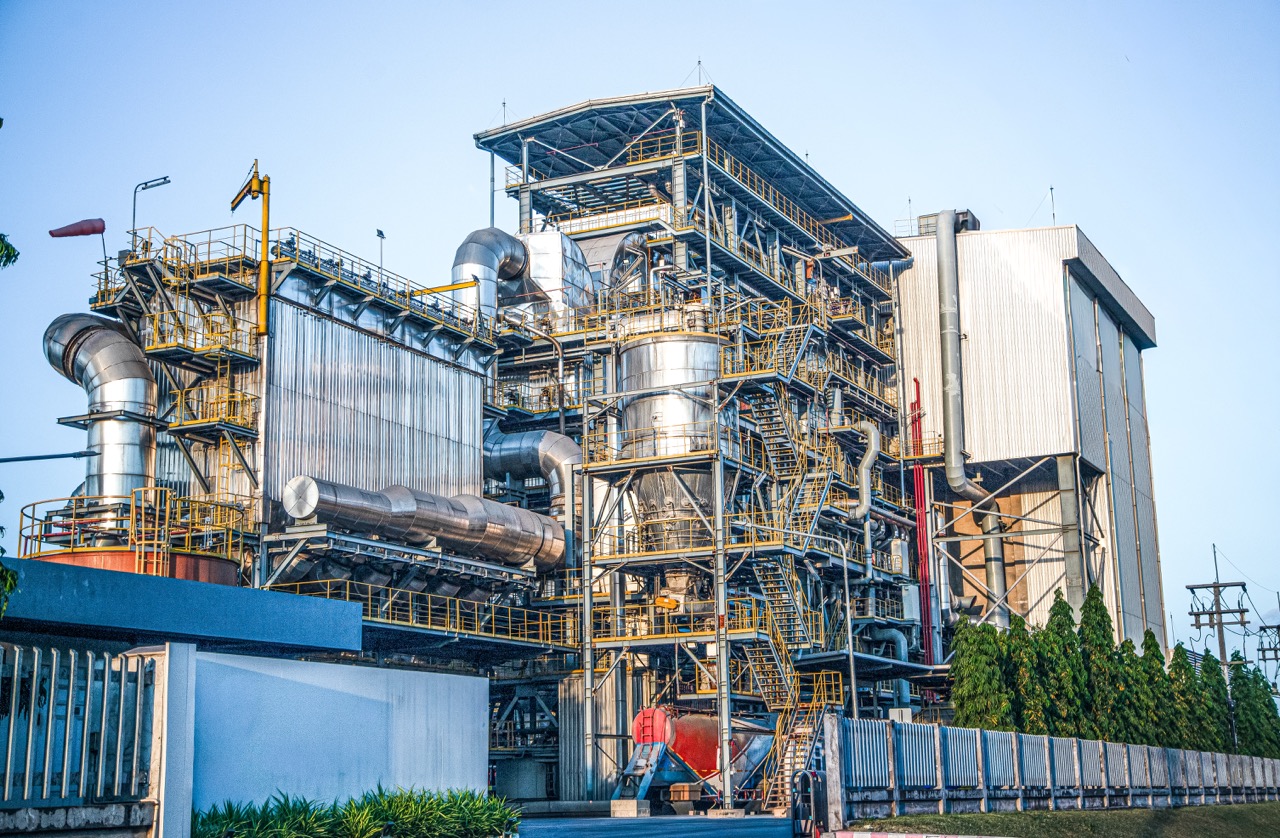
Chemical Processing

Oil & Gas

Food & Beverage
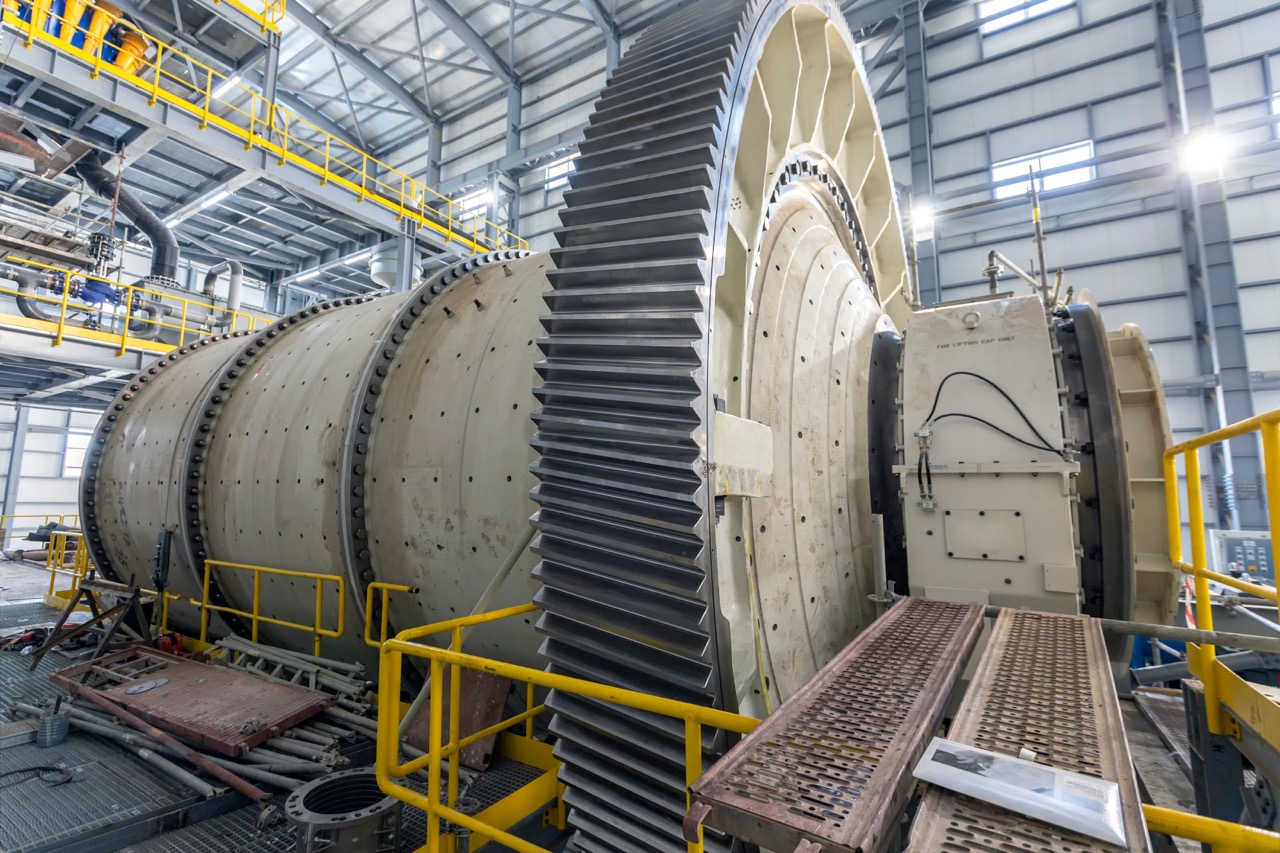
Mining & Materials

Hospitals & Healthcare
FAQs
Common Questions About Preventative Maintenance
What is a Preventive Maintenance Evaluation?
A Preventive Maintenance Evaluation is a structured review of preventive maintenance task steps. Each step is evaluated and assigned a recommendation such as remove, reassign, replace with PdM, reengineer, or no modification required.
Does PME evaluate PM frequency?
PME is a fast method for reviewing task steps and does not evaluate the overall effectiveness of the task list or frequency of performance. Frequency review is more appropriate in a follow-on PMO effort.
What recommendations can result from PME?
Recommendations can include no value added remove, reassign to lubrication route, reassign to operator care, replace with PdM, reengineer with comments, or no modification required.
Can PME improve CMMS work orders?
Yes. PME outputs can help clean up preventive maintenance checklists and work orders in a CMMS by removing waste, clarifying instructions, and identifying the right work owner.
How does PME relate to preventive maintenance optimization?
PME can identify immediate opportunities in existing PM task steps. PMO can then close gaps through deeper review of failure prevention, task frequency, technical feasibility, and cost-effectiveness.
When should an organization perform a Preventive Maintenance Evaluation?
A Preventive Maintenance Evaluation is most valuable when preventive maintenance programs have grown over time, labor resources are limited, PM completion rates are declining, or organizations want to improve maintenance efficiency without undertaking a full preventive maintenance optimization project. It provides a fast, structured way to identify low-value work and opportunities for improvement.